
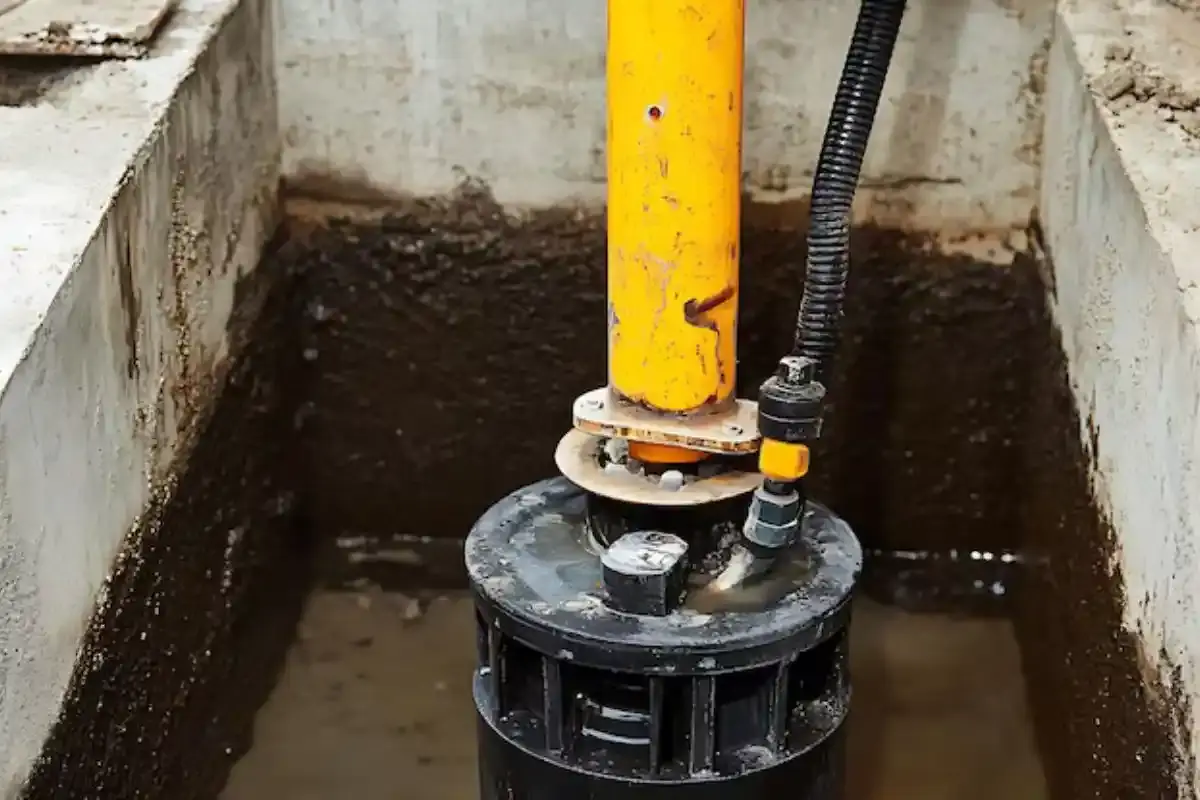
Sump pump repair and installation in Stratford, CT.
A sump pump sits in a pit at the lowest point of a basement or crawlspace and pushes groundwater out and away from the foundation. When it fails, groundwater rises with nothing to stop it, so a sump pump is only useful if it works on the worst day.
If the pit is filling and the pump is silent, call the 24/7 line. Call to ask about timing. Check the power cord and outlet, press the reset on a GFCI if one is present and move belongings off the floor while you wait.
When a failed sump pump is an emergency.
A pump that does not start during heavy rain is an emergency, because water can come up through the floor within hours. A pump that runs constantly can also be failing, and may burn out before the storm ends.
Never stand in water to work on a pump with the power on. Switch off the circuit first, and keep electronics and stored items off the floor. Tell the dispatcher whether the pit is full and whether the pump hums, runs or stays silent.
Why sump pumps fail.
Stuck float switch.
The float jams against the pit wall or debris and never lifts to start the motor.
Power loss.
Storms often knock out power exactly when the pump is needed most.
Clogged intake.
Silt, stones or debris block the screen and starve the pump.
Worn motor or age.
Many pumps wear out in about seven to ten years of service.
Failed check valve.
Water flows back into the pit after each cycle, so the pump short-cycles.
Frozen or blocked discharge.
Ice or a crushed line stops the pump from pushing water out.
Battery backups and water-powered backups.
A battery backup pump takes over when the main pump fails or the power goes out. It uses a separate pump and a deep-cycle battery with a charger. Batteries need testing and replacement every few years.
A water-powered backup uses pressure from the water line and no electricity, but it needs adequate pressure and wastes water. We explain both and help you choose based on your home and how long the power usually stays out.
Sump pump or ejector pump.
The two are different systems. If you are not sure which one you have, tell the dispatcher what is in the basement. A groundwater sump is also part of the story for basement waterproofing.
Sump pump.
- Removes groundwater from a pit.
- Discharges outside, away from the foundation.
- Float switch starts the pump.
- Used in most basements with groundwater.
Ejector pump.
- Lifts wastewater from basement fixtures to the sewer.
- Sealed lid and vent pipe.
- Handles solids.
- Used where a basement bathroom sits below the sewer line.
Pit filling and the pump is silent?
Call the 24/7 line right now.
How a sump pump visit works.
Inspect the pit.
We check the float, intake, check valve and discharge line.
Test under load.
We fill the pit to see the pump cycle and move water.
Repair or replace.
We fix what we can, or install a new pump with a new check valve.
Add backup if wanted.
We install a battery backup or alarm and test it.
What shapes the price of sump pump work.
You get a clear price before work starts.
Standard homeowners policies often exclude groundwater and sump failure unless you added a rider. Review your policy before the wet season.
Why sump pumps matter near the Sound and the Housatonic.
Stratford sits on the Connecticut shoreline of Long Island Sound, with the Housatonic River forming its eastern edge. Properties close to the water sit on lower ground and can have a higher water table, which keeps a sump working harder during storms and spring melt.
Not every Stratford basement needs a sump, and many inland homes stay dry for years. If yours takes water after rain, tell the plumber when it happens and how high it rises, because that pattern tells us whether a pump alone is enough or whether drainage work is needed.
The national 811 number connects you to the utility locating service, and a locate request before digging is the standard first step for any buried line work.
Homeowners in the shoreline neighborhood of Lordship can also read our Lordship plumbing guide for storm-season questions.
Questions we hear.
Yes. The 24/7 line is answered at any hour.
Pour a few buckets of water into the pit until the float rises. The pump should start, move the water out and shut off. If it does not, call us.
Commonly about seven to ten years, depending on use and conditions.
If power outages are common in storms where you live, or the basement is finished, a backup is worth considering.
Away from the foundation, so the water does not run back toward the house.
It handles groundwater in the pit. For seepage through walls and floors, see basement waterproofing.